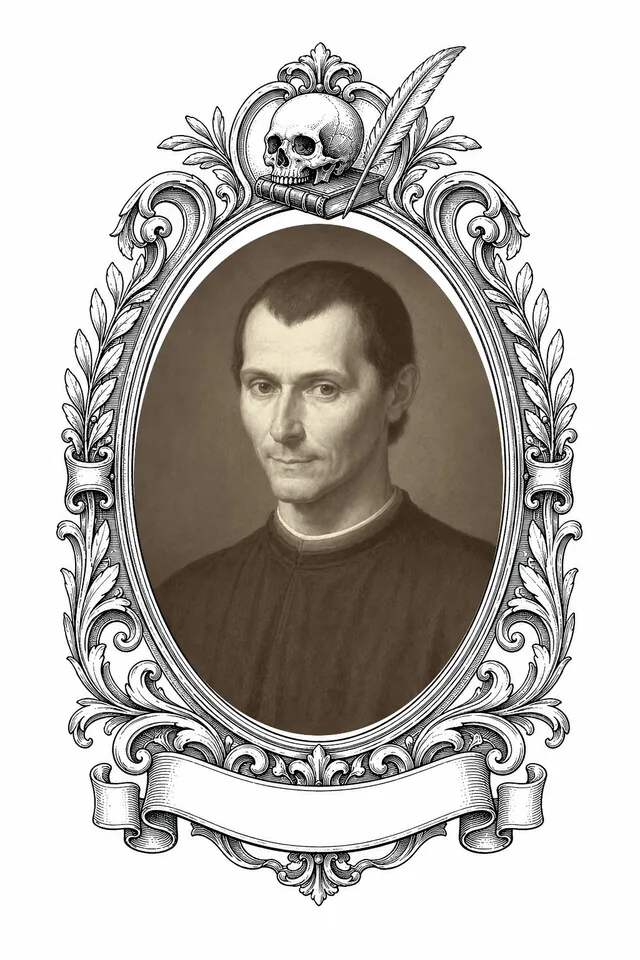
There is no fixed roster and no waiting for one. Name a mind, and it is built for
you from the public record — then the page it leaves behind stays, for whoever
searches that name after you.
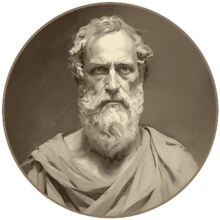
Socrates
Sun Tzu
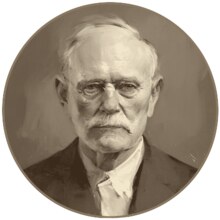
Franklin
Jung
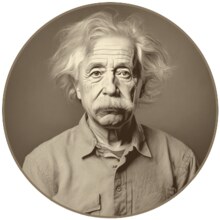
Einstein
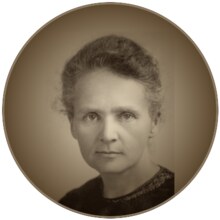
Curie
A few of the many minds you can sit with
Two rules hold whoever you ask for. The facts come from the public record, not
from a model — a wrong birth date on a scholarly page costs everything else
on it. And the mind has to have died. A closed record is what makes a faithful
reconstruction possible; a living one will contradict us tomorrow.
That is the whole design. The shelves are not stocked in advance and then opened
— they fill as people ask. You would be writing the library.
He was not there
We asked Niccolò Machiavelli, dead since 1527, to assess the Cold War.
This is not a new thing. It is the old game of the great powers, played with new
instruments. The Florentines and the Milanese, the Guelphs and the Ghibellines, the
Pope and the Emperor — I have watched such rivalries consume Italy for
centuries. The names change, the weapons change, but the pattern does not.
A state that must lie to its own people to survive is already
dead. It merely has not yet fallen.
He knew perfectly well what the Cold War was. He can read the record as well as you
can, and he opened by summarising it plainly — the dates, the proxy wars, the
collapse. Then he did the thing worth having: he refused to treat it as new.
So the boundary is not what a mind knows. It is where it stands. He speaks from
outside your century looking in — “in your century”,
“the third world, as you call it” — and the frame he brings
to 1962 is the one he built in Florence. That collision is the whole product. One run
is not a guarantee, and we will publish more of them rather than ask you to take our
word for it.
Where this stands
Plainly, so you know what you are waiting for.
Working today
The persona engine. The Machiavelli exchange above came out of it, unedited.
That was always going to be the hard part, and it already exists.
Not built yet
The website around it. There is no summoning here yet and no library, because
the library is not written in advance — it starts empty and fills as
people ask.
What has to happen
Wrap the engine in a page that takes your key, checks the record before it
generates, and keeps what it made.
We are not putting a date on it. There is more on the bench than can ship at
once, and a date invented this morning would be the first thing on this site that
wasn’t true. Leave an address and you get one letter, on the day it opens.
One mind here. The whole table there.
Dead Thinkers
Deliberon
One mind
The whole table
A conversation
A deliberation
Their view
Their views, in conflict, cross‑examined
What you remember of it
A written verdict and a sealed transcript
You will be able to talk to Plato here. You will not be able to make Plato and
Nietzsche argue in front of you with a chairman keeping order — that is
Deliberon, it exists now, and you can sit at that table today.

 Read on